

For many women, the word “biopsy” can spark anxiety and uncertainty. However, understanding breast biopsies is crucial for those facing breast health concerns. In this blog, we will demystify breast biopsies, exploring what they are, why they’re performed, and what to expect during the process. Knowledge is empowerment, and being informed about breast biopsies can help alleviate fear and facilitate proactive healthcare decisions.
Demystifying Breast Biopsies: What Are They?
Defining a Breast Biopsy
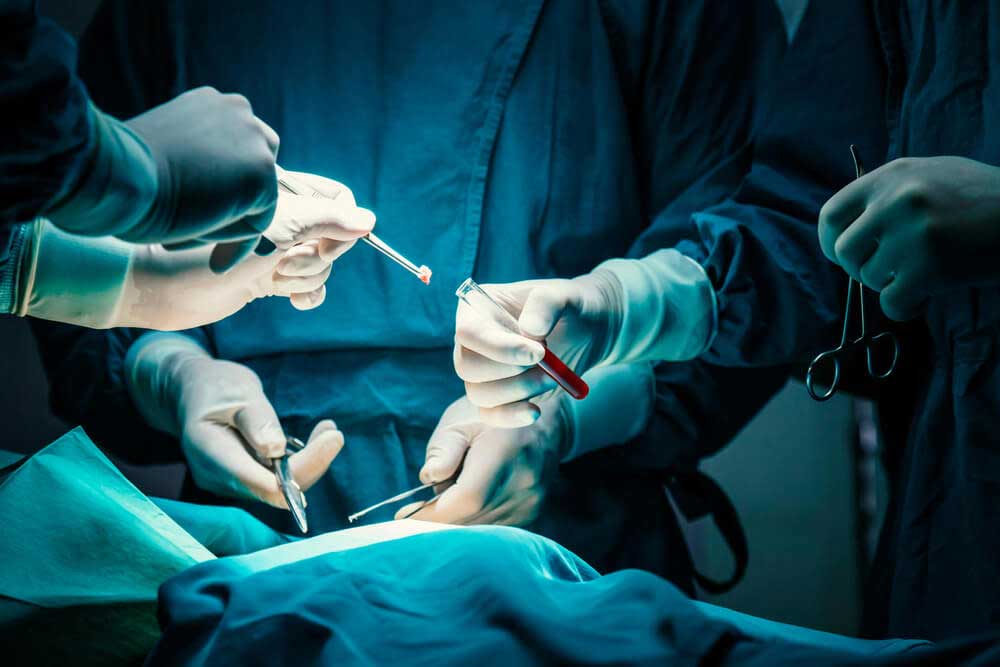
A breast biopsy is a medical procedure that involves the removal of a small sample of breast tissue for examination under a microscope. It is typically done to determine the nature of a breast abnormality or to confirm whether a lump or lesion is cancerous or benign.
Why Are Breast Biopsies Necessary?
Breast biopsies are performed when a mammogram, ultrasound, or clinical examination reveals an abnormality in the breast. These abnormalities could be a lump, changes in breast tissue, or suspicious calcifications.
Types of Breast Biopsies
Fine Needle Aspiration (FNA)
FNA involves using a thin needle to extract fluid or cells from a breast lump. It is often used to investigate cysts or to obtain cell samples from suspicious areas.
Core Needle Biopsy
Core needle biopsies use a larger, hollow needle to remove small cores of tissue from the breast. This type of biopsy is effective for evaluating solid masses.
Vacuum-Assisted Biopsy
Vacuum-assisted biopsies use a vacuum-powered device to collect multiple tissue samples with a single insertion. This method is efficient for evaluating non-palpable abnormalities.
What to Expect During a Breast Biopsy
Preparation
Before the biopsy, your healthcare provider will explain the procedure and answer any questions you may have. You’ll also be asked about any medications you’re taking and any allergies you have.
The Procedure
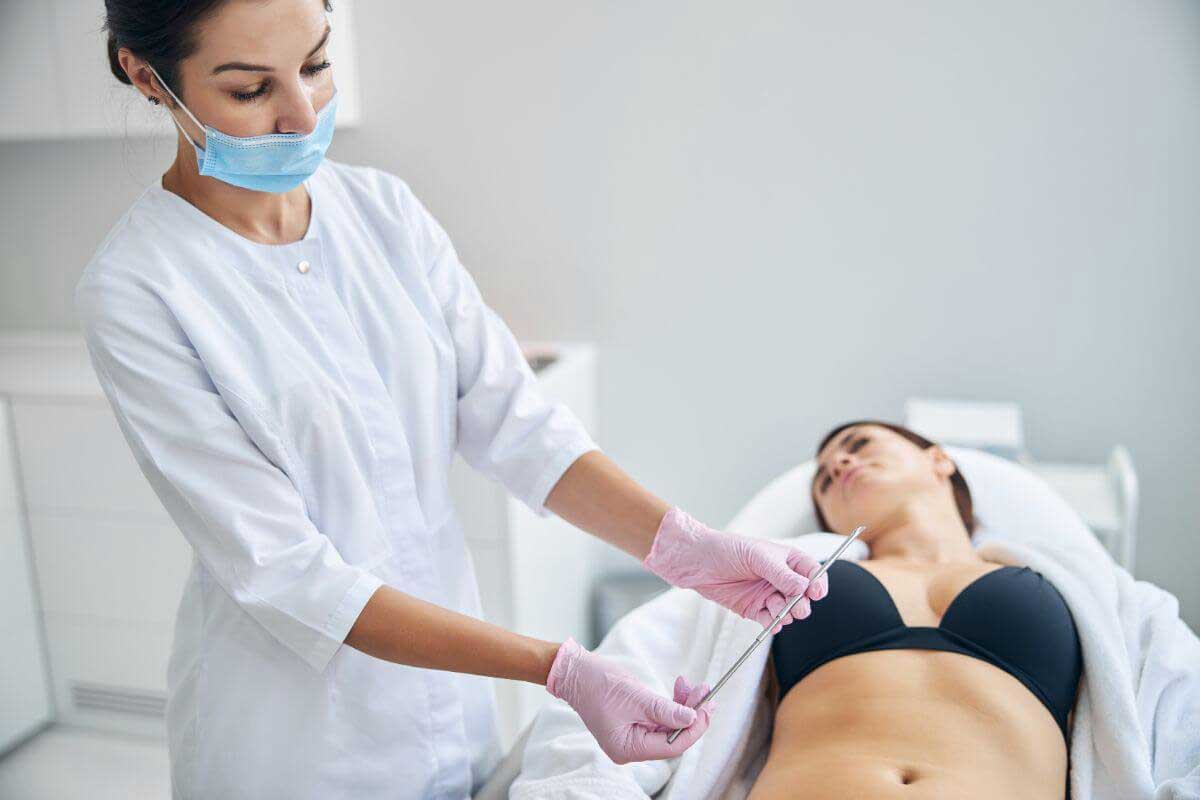
During the biopsy, you will typically lie on your back or sit upright. The area to be biopsied will be cleaned, and a local anesthetic will be used to numb the skin. Then, the biopsy device will be inserted to collect the tissue sample.
After the Biopsy
After the procedure, you may experience some soreness and bruising at the biopsy site. You will receive post-biopsy care instructions from your healthcare provider, and it’s essential to follow them carefully.
Interpreting Biopsy Results
Pathology Analysis
The collected tissue sample is sent to a pathologist who examines it under a microscope. They will determine whether the tissue is benign (non-cancerous) or malignant (cancerous) and provide additional information about the abnormality.
The Importance of Breast Biopsies
Early Detection
Breast biopsies are an essential tool in early breast cancer detection. They allow for accurate diagnosis and appropriate treatment planning, improving the chances of successful outcomes.
Peace of Mind
While the idea of a biopsy can be daunting, it is a vital step in understanding your breast health. Many breast abnormalities turn out to be benign, providing much-needed reassurance.
Empowering Breast Health
Breast biopsies play a crucial role in breast health evaluation. Understanding what they entail and why they are necessary can alleviate anxiety and promote proactive healthcare decisions. If you are recommended for a breast biopsy, remember that it is a step towards clarity and peace of mind regarding your breast health.